
From Loss to Renewal: Leveraging 1033 Exchanges After Natural Disasters
| December 11, 2025
Over the last couple of years, there have been multiple devastating weather patterns that have left people without homes and provisions. People around the country are rallying behind those that have lost homes and properties to the fires and floods. For many, these disasters have triggered involuntary conversions, when property is destroyed, stolen, or condemned, forcing an owner to sell or replace it. Section 1033 of the Internal Revenue Code offers a critical lifeline in these situations, allowing property owners to defer capital gains taxes on insurance or condemnation proceeds if they reinvest in similar property within a specified time frame. Unlike the more familiar Section 1031 exchanges, Section 1033 provides greater flexibility by removing the requirement for a qualified intermediary and extending the replacement period for certain types of properties.
While both 1031 exchanges and 1033 exchanges provide tax-deferred strategies for reinvesting in property, they serve different purposes and have distinct rules.
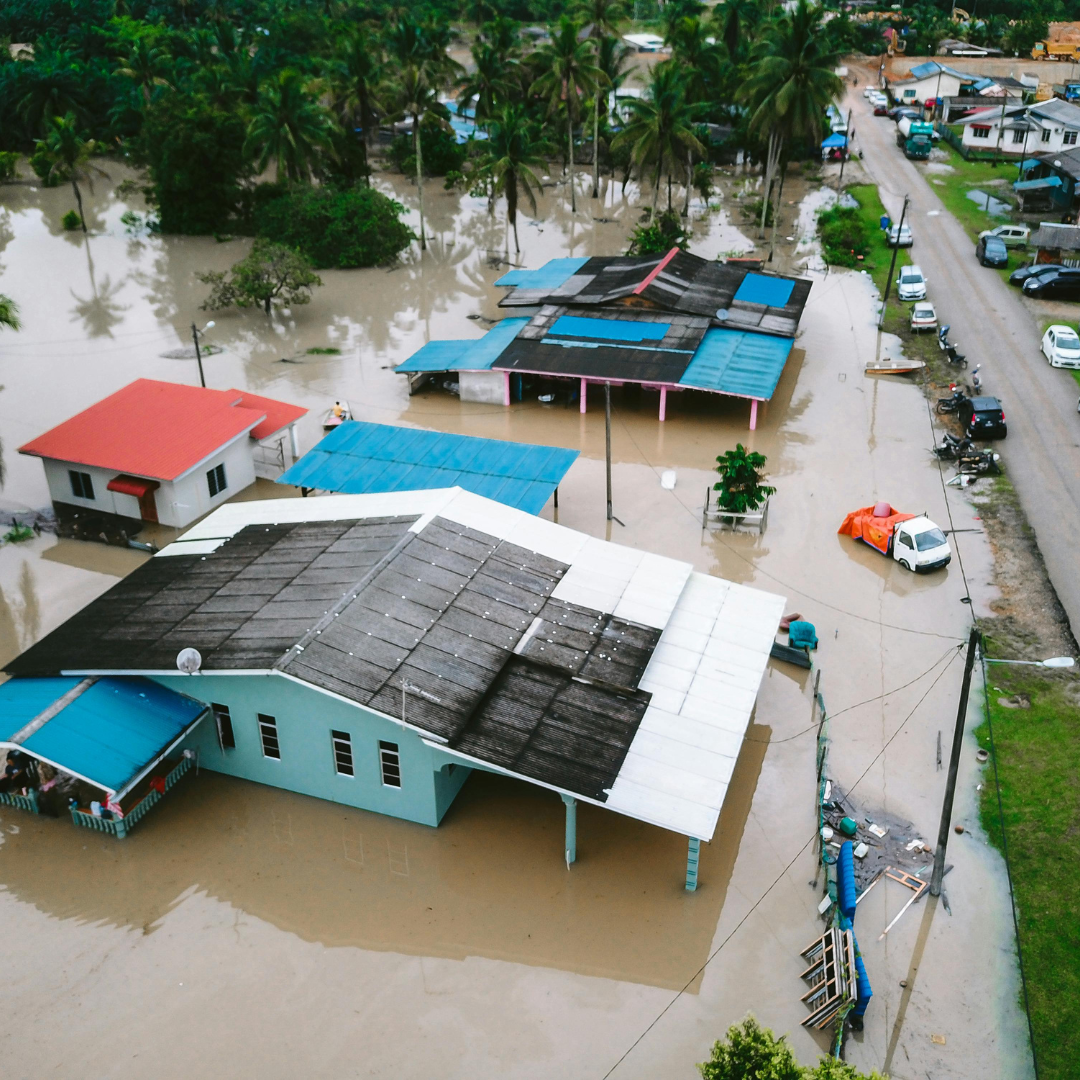
A 1031 exchange is a voluntary transaction used primarily by real estate investors to defer capital gains taxes when selling and reinvesting in "like-kind" property, typically within a strict 180-day timeline. In contrast, a 1033 exchange applies to involuntary conversions, such as property lost through destruction, theft, or condemnation. Unlike a 1031 exchange, a 1033 exchange does not require a qualified intermediary, and has extended reinvestment time frames that allow property owners greater time to find their replacement property. The replacement property rules are similar but use the terminology of “similar or related in service or use”, which is often stricter than the “Like-Kind” requirements of a 1031 exchange.
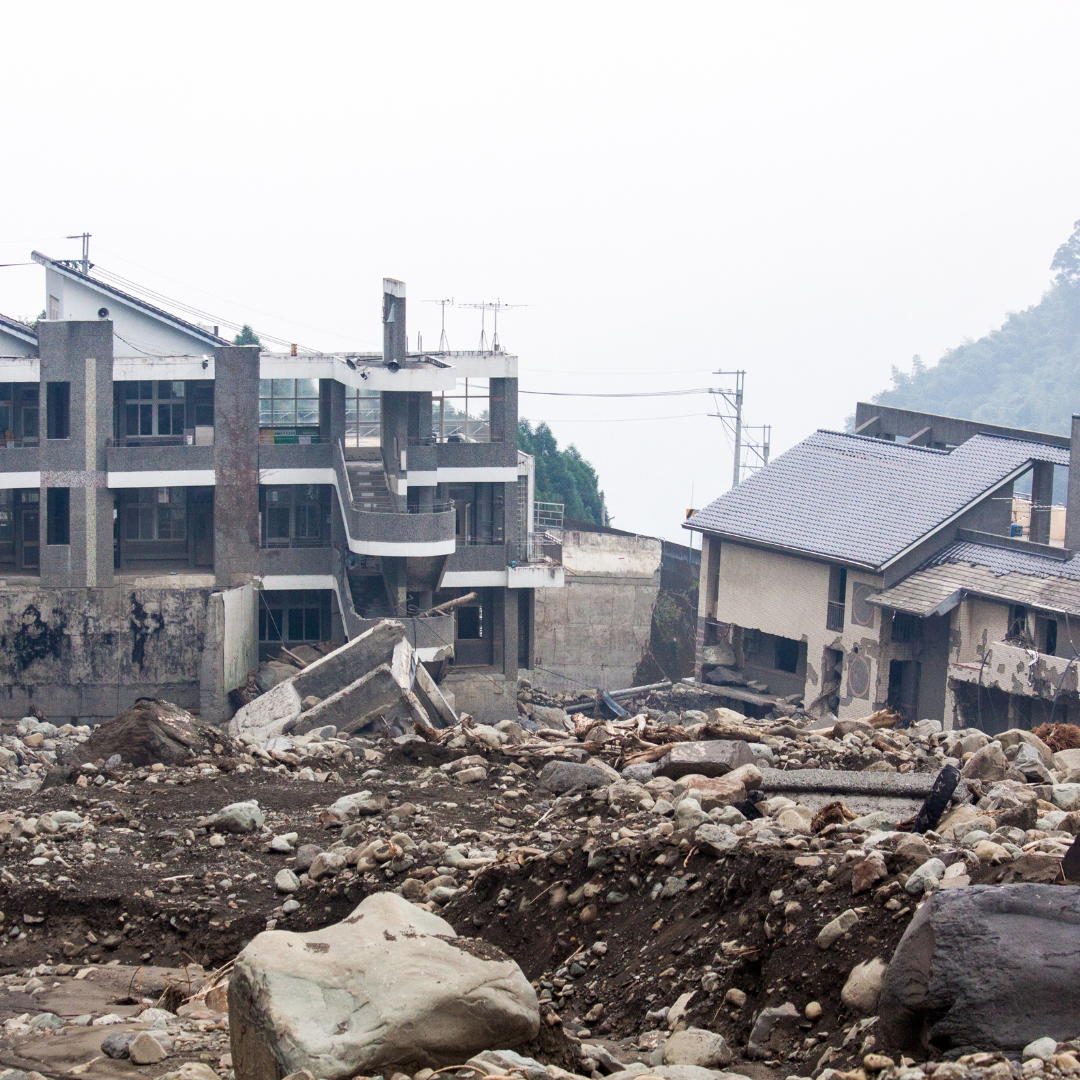 One of the key benefits of a Section 1033 exchange is the extended timeline for reinvestment, especially relevant in disaster scenarios. Property owners typically have two years from the end of the tax year in which they receive insurance or condemnation proceeds to replace their property. However, in federally declared disaster areas, this period may be extended to four years or longer. This extension acknowledges the complexities of rebuilding or acquiring replacement property after widespread destruction, such as navigating local zoning restrictions, rising construction costs, and supply chain delays. Additionally, when the property is in a Providentially Declared Disaster area, the rules regarding the replacement property become a little less stringent in regards to the application of Section 121 to primary residences and the replacement property asset for trade, business and investment properties.
For property owners affected by these events, consulting a tax professional or exchange expert is crucial to maximizing the benefits of a Section 1033 exchange. Proper documentation of the involuntary conversion and careful planning for replacement property are key to avoiding costly mistakes. As the recovery process unfolds, understanding how Section 1033 can help protect your financial future is vital for turning a disaster into an opportunity to rebuild stronger.